
Bread, Sausage, and the Meaning of Home
The Master Butchers Singing ClubFood moves through the novel as livelihood, memory, hospitality, and a measure of the distance between Germany and America.
increasing Bearing strength in each event
 decreasing
Bearing strength in each eventdecreasingA Slice of Machine Bread
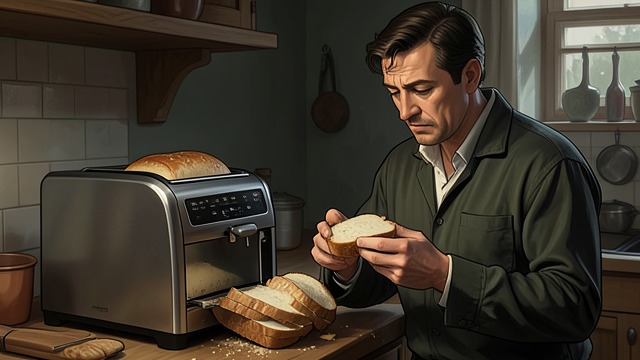
Bread as a Promise
A modern object
Fidelis sees machine-sliced bread and treats its precise shape as evidence of American order. The loaf becomes more than food: it suggests a destination.
A plan begins
He keeps the name of the place where the bread was made. A small domestic curiosity grows into the decision to emigrate.
Sausages as Passage

A Suitcase of Food
Family resources invested
Fidelis carries smoked sausages made by his father, selling them to finance his journey west. His trade makes food the means of migration.
Work begins immediately
He arrives in Argus with an emptying suitcase and the tools of his craft. Food connects his former home to the new livelihood he must build.
The Family’s Quality Rule
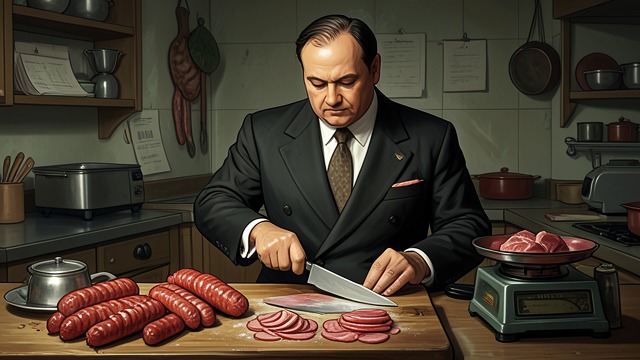
Every Ingredient Matters
Standards create reputation
Fidelis follows his father’s rule to use the finest of everything, including humble ingredients. His sausages draw customers and distinguish his shop.
Craft as identity
The work is precise and almost devotional. Fidelis’s standards help him preserve a connection to the trade and traditions of his family.
Eva Feeds Delphine

Food as Welcome
A meal after horror
After Delphine tells Eva about the cellar, Eva offers coffee and a cinnamon bun. The food meets grief with ordinary care rather than demanding an explanation.
Nourishment creates trust
Delphine leaves with groceries and the feeling that friendship may be possible. Eva’s cooking becomes part of the household knowledge Delphine later carries forward.
A Sandwich in Minnesota

Food and Recognition
A prewar meal
After Erich refuses to acknowledge them, Fidelis and Markus stop at a bar and eat fresh bread, butter, ham, and pickles.
The family can still speak
The meal helps father and son resume conversation. Familiar food briefly restores a sense of ordinary life without undoing the painful visit.
After the war, in Ludwigsruhe
1922
The early years of Waldvogel’s Meats
Summer 1934
After the camp visit
